

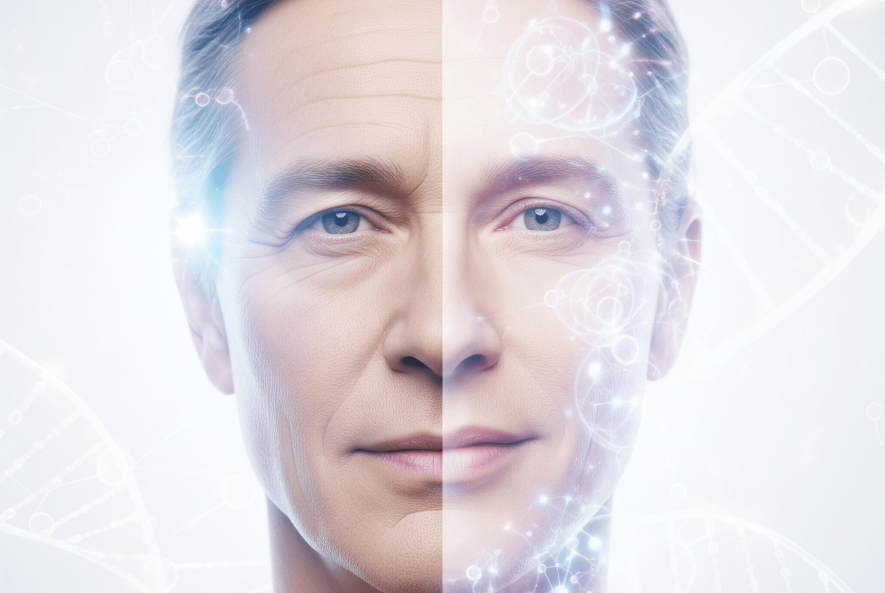
Reversing Aging (Anti-Aging) with Stem Cells: A Scientific Revolution Turning Back the Clock
In a world where everyone seeks to slow down the effects of aging, stem cell therapy has emerged as one of the most intriguing and promising medical solutions. This technique is seen not only as a cosmetic tool but as an effective way to rejuvenate cells and tissues from within.
What Are Stem Cells?
Stem cells are undifferentiated cells with a remarkable ability to transform into various specialized cell types, such as skin cells, muscle cells, cartilage, or even blood vessels. This unique capability makes them the cornerstone of many medical applications — from treating complex diseases to regenerating damaged tissues.
How Do They Help Fight Aging?
As we age, our bodies gradually lose the ability to regenerate cells and repair tissues. This is where stem cells come in: they can reactivate these vital processes. Stem cells are injected into specific areas of the body or face with the aim of:
- Stimulating the natural production of collagen, which gives skin its elasticity
- Repairing tissues damaged by aging
- Improving skin quality and reducing wrinkles and fine lines
- Restoring volume to areas that have lost fullness over time
Advantages Over Traditional Methods
Unlike cosmetic surgeries or conventional fillers that address appearance superficially, stem cell therapy works on a deeper level. It helps restore the structural balance of tissues and enhances natural regenerative processes. This often means more natural and longer-lasting results, as well as a reduced risk of complications.
Is It Safe?
Recent clinical studies and trials indicate that the treatment is generally considered safe, especially when using stem cells derived from the patient’s own body (autologous stem cells). Nevertheless, it must be carried out under the supervision of specialized medical centers to ensure quality and safety.
A Promising Future
The role of stem cells is not limited to reducing wrinkles. It extends to improving hair health, strengthening bones and joints, and even slowing down age-related diseases. With continuous progress in research, we may be getting closer to realizing the dream of prolonging human biological youth.