

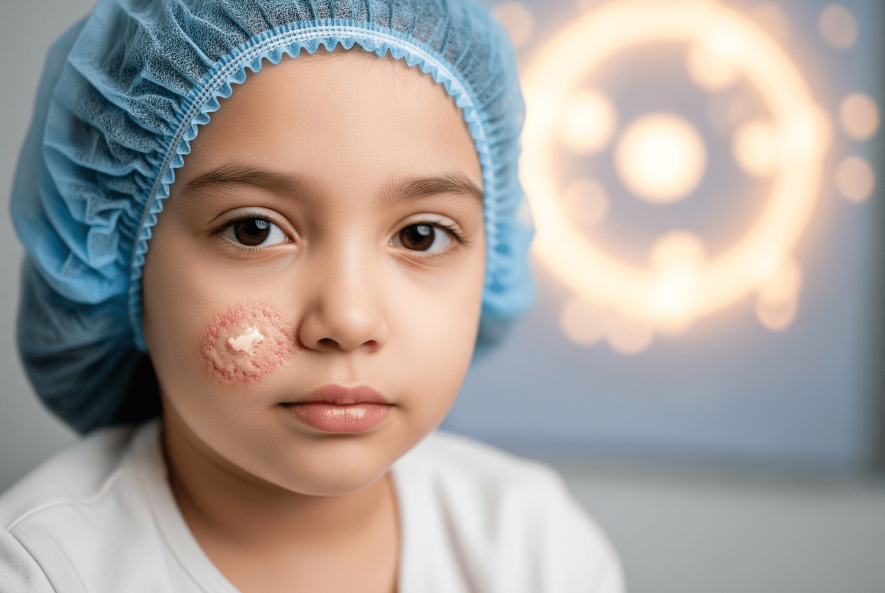
Epidermolysis Bullosa: Can Stem Cells Unlock a Cure for One of the World’s Rarest Diseases?
Epidermolysis Bullosa (EB) is one of the most challenging and rare hereditary skin disorders. Patients suffer from extreme skin fragility, leading to painful blisters and ulcers caused by the slightest friction or pressure. For many years, doctors could only rely on supportive care to ease symptoms without addressing the underlying cause. Today, however, stem cell therapy offers a promising new path that could change this reality.
What Is Epidermolysis Bullosa?
EB is a rare genetic disease characterized by a deficiency or defect in essential proteins responsible for holding skin layers together. As a result, even the gentlest touch or daily activity can cause painful blisters and chronic wounds.
How Can Stem Cells Help?
Stem cell therapy for EB focuses on using healthy stem cells—usually derived from the patient’s own bone marrow or skin, or from a matched donor—to:
- Regenerate and replace damaged cells
- Stimulate the production of key proteins that strengthen the bonds between skin layers
- Accelerate wound healing and reduce the formation of new blisters
Clinical studies have shown noticeable improvement in ulcers, reduced pain, and enhanced quality of life for some patients following treatment.
Advantages of Stem Cell Therapy for EB Patients
- Addresses the root cause rather than providing only temporary relief
- Improves healing of chronic wounds and reduces new blister formation
- Significantly enhances patients’ quality of life by alleviating constant pain
- Offers a hopeful option, especially for children suffering from the most severe forms of the disease
Challenges and Important Considerations
Despite encouraging results, stem cell therapy for EB remains in the clinical trial stage and is considered part of advanced medical research. Treatment should only be performed in specialized centers and under the supervision of experienced medical teams to minimize risks and monitor long-term outcomes.
Conclusion
Stem cells represent more than just an innovative medical technique—they offer a real window of hope for patients with Epidermolysis Bullosa and their families. As science continues to advance, the near future may bring transformative therapies that can truly change these patients’ lives for the better.