

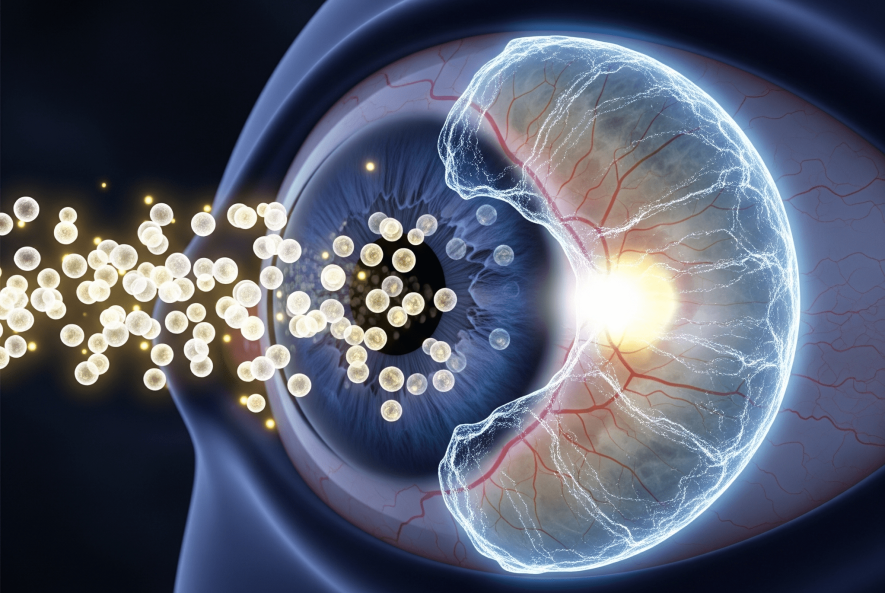
Restoring Vision: How Stem Cell Therapy Is Revolutionizing Ophthalmology
In recent years, stem cell therapy has emerged as a genuine source of hope for millions of people suffering from vision loss and complex eye diseases. By harnessing the body’s natural regenerative and reparative capabilities, this therapy can target the root cause of vision impairment—rather than merely alleviating symptoms. As research progresses, its potential applications are expanding dramatically, opening the door to a new era in eye care.
Regenerative Eye Therapy: A Paradigm Shift
Traditional treatments often aim only to slow disease progression or temporarily improve symptoms. Stem cell therapy, however, goes a step further: it seeks to regenerate or replace damaged cells and tissues within the eye itself. This approach holds the promise of restoring visual functions lost to degenerative diseases or injuries.
Key Current Applications of Stem Cell Therapy in Eye Care
✅ Treating Retinal Diseases
The retina plays a crucial role in capturing light and transmitting signals to the brain; any damage can result in vision loss. Here’s where stem cells are making a difference:
- Age-related Macular Degeneration (AMD): Transplanting retinal pigment epithelial (RPE) cells derived from stem cells to replace damaged tissue. Clinical trials have shown significant improvement in visual acuity for some patients.
- Retinitis Pigmentosa (RP): A genetic disorder that leads to gradual night blindness and eventual vision loss. Experimental treatments aim to transplant stem cells that can transform into photoreceptors, helping preserve or partially restore vision.
- Diabetic Retinopathy: By repairing damaged blood vessels and reducing inflammation, stem cells may help prevent or even improve vision loss in patients with diabetes complications.
✅ Corneal Regeneration and Clarity Restoration
The cornea is essential for focusing light; any scarring or opacity can severely impair vision:
- Limbal Stem Cell Deficiency (LSCD): Transplanting stem cells harvested from a healthy part of the patient’s eye or from a donor can rebuild the corneal surface and enhance vision.
- Lab-grown Corneal Tissues: Researchers are developing complete corneas from stem cells, which could reduce the reliance on donor tissue and lower the risk of immune rejection.
✅ Treating Glaucoma
Glaucoma is particularly serious because it gradually damages the optic nerve. Stem cell therapy shows two promising strategies:
- Optic Nerve Regeneration: Certain types of stem cells may stimulate the growth of damaged nerve fibers, offering hope of recovering some vision.
- Trabecular Meshwork Repair: Rebuilding this part of the eye’s drainage system could help regulate intraocular pressure and reduce further damage.
✅ Eye Injuries and Trauma
Chemical burns and direct trauma can cause irreversible damage—but stem cell therapy is changing that narrative:
- Corneal Injuries: Transplanting stem cells helps regenerate tissue and reduce scarring.
- Retinal Injuries: Some studies show stem cells may help repair the retina and improve function after injury.
What Sets This Approach Apart?
- It targets the underlying causes of vision loss rather than merely managing symptoms.
- It actively regenerates damaged tissues within the eye.
- It offers the possibility of restoring partial vision, even in cases previously deemed untreatable.
The Future: Where Are We Headed?
With ongoing research and clinical trials, the coming years may bring:
✅ Safer, more effective transplantation techniques.
✅ Reduced need for long-term immunosuppressive drugs.
✅ Personalized treatments tailored to each patient’s condition and genetics.
In Summary
Stem cell therapy isn’t just an additional option for treating eye diseases—it represents a fundamental shift in addressing vision loss. From macular degeneration to glaucoma, this approach offers genuine hope for vision restoration and an improved quality of life. With continued progress, we may soon enter an era where millions of people around the world can once again see the world clearly.