

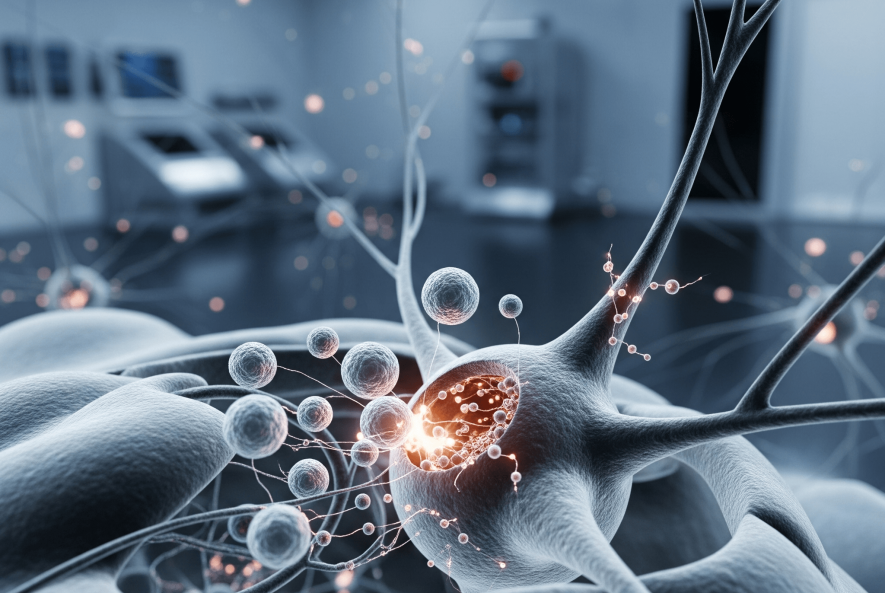
Can Stem Cells Restore Hope for Patients with Neurological Disorders?
Neurological diseases have long been considered among the greatest medical challenges, given their complexity, severity, and often the absence of definitive cures. From multiple sclerosis to peripheral neuropathies, spinal cord injuries to Parkinson’s disease, treatment options have traditionally been limited—mostly focused on easing symptoms rather than addressing the underlying causes.
The introduction of stem cells into the field of neurology has changed this landscape, opening a genuine window of hope for both patients and doctors alike.
So, can stem cells truly make a difference? And are we on the brink of a revolution in treating neurological disorders?
What Makes Neurological Diseases Unique?
Neurological disorders are often:
- Degenerative or immune-mediated in nature.
- Affecting neural and motor communication.
- Progressively worsening, leading to functional disabilities.
- Rarely self-healing.
This has driven the need for treatments that can regenerate nerve tissue and promote healing from within, instead of merely masking symptoms.
How Do Stem Cells Work in Treating Neurological Disorders?
Stem cells possess unique properties, including:
- The ability to differentiate into multiple cell types, such as neurons or glial cells.
- Secretion of growth and regenerative factors that help repair damaged neural tissue.
- Regulation of immune responses and reduction of neuroinflammation.
This makes them promising candidates for conditions like:
- Multiple sclerosis (MS)
- Spinal cord injuries
- Amyotrophic lateral sclerosis (ALS)
- Peripheral neuropathies
- Parkinson’s disease
- Diabetic neuropathy
What’s New in Research and Therapy?
✅ 1. Promising clinical outcomes
- Studies in the US and Europe have shown that MS patients receiving autologous hematopoietic stem cell transplants experienced halted disease activity and functional improvements lasting several years.
- Patients with spinal cord injuries have reported partial sensory recovery or motor control improvements after direct stem cell injections at the injury site.
✅ 2. Innovative delivery techniques
- Use of direct injections into the spinal cord or cerebrospinal fluid.
- Development of encapsulated stem cell implants that continuously release therapeutic factors inside the body.
✅ 3. Reduced risks and improved safety
- Most modern protocols use the patient’s own stem cells, which lowers the risk of rejection or immune complications.
Does Stem Cell Therapy Replace Other Treatments?
Not necessarily. For now:
- Stem cell therapy is usually considered complementary to standard treatment or an option for advanced stages.
- It isn’t suitable for all patients; each case must be carefully evaluated.
- It doesn’t offer “miraculous” results but can slow disease progression and improve quality of life.
Who Can Benefit from Stem Cell Therapy?
- Patients who haven’t responded to conventional treatments.
- Those in early to moderate stages of the disease.
- Patients without complete, irreversible nerve damage.
It is crucial that treatment is conducted under expert medical supervision in accredited centers—not in unregulated or commercial clinics.
Conclusion
Stem cells today represent one of the most powerful sources of hope for patients with neurological diseases, thanks to their potential to repair what was once considered beyond repair. While some aspects of the therapy remain under research and clinical evaluation, real-world and clinical results suggest we are approaching a new era that could redefine neurological treatment.
Hope is no longer just a word—it is a living cell capable of regeneration, carrying within its nucleus the promise of healing for millions of patients.