

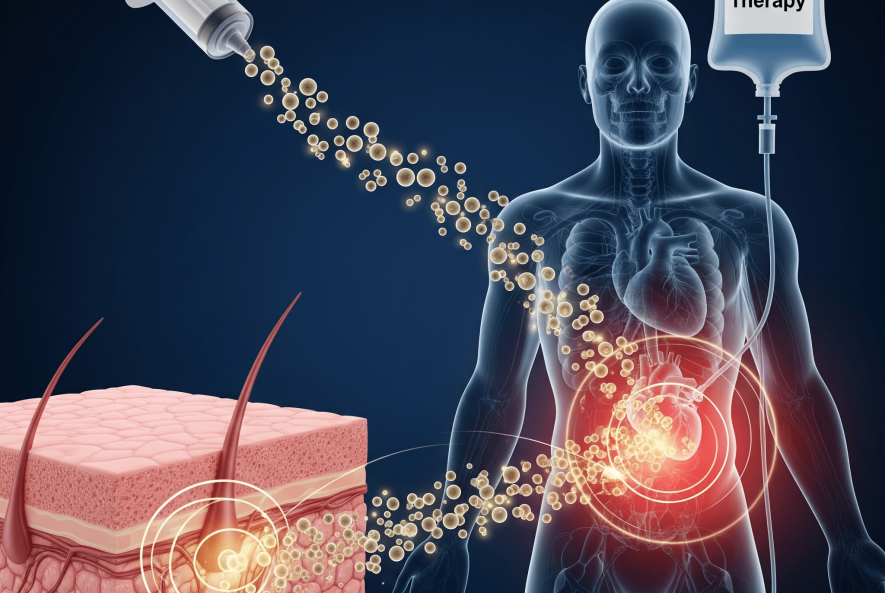
Understanding the Steps of Stem Cell Therapy
Mesenchymal stem cell (MSC) therapy represents a groundbreaking advancement in regenerative medicine, offering new treatment possibilities for a wide range of degenerative diseases and injuries. This article provides a detailed overview of the typical steps involved in this therapy, addressing common questions we receive from patients about the process.
1- Comprehensive Patient Assessment
The treatment journey begins with a thorough medical evaluation, including a detailed medical history, clinical examination, and necessary diagnostic tests. The primary goal is to determine whether the patient is a suitable candidate for stem cell therapy and to understand the potential benefits specific to their condition.
2- Stem Cell Processing and Preparation
After harvesting the stem cells, they undergo laboratory processing, which includes isolation and purification—and sometimes expansion to increase the number of cells required for therapy. These cells are then rigorously tested to ensure their quality and biological safety. The specifics of this step depend on the type of stem cells used and the established treatment protocol.
3- Designing the Treatment Plan
A personalized treatment plan is then developed by the medical team. This plan outlines the method of cell delivery, the number of required sessions, and provides the patient with clear information on expected benefits and potential risks. Tailoring the plan to the patient’s unique condition is essential for achieving optimal outcomes.
4- Methods of Stem Cell Administration
Stem cells can be delivered through two primary methods, depending on the condition being treated:
Intravenous (IV) injection: The stem cells are introduced directly into the bloodstream, enabling them to travel throughout the body and naturally target damaged tissues, thereby supporting regeneration and healing at a systemic level.
Direct local injection: The stem cells are injected directly into the affected area (such as a joint or damaged tissue), which increases their concentration at the target site and accelerates tissue repair and regeneration.
5- Post-Treatment Monitoring
After the treatment, patients undergo regular follow-up visits, diagnostic tests, and clinical evaluations to track their progress and detect any side effects promptly. Continuous monitoring helps ensure the treatment proceeds as planned and allows timely interventions if complications arise.
6- Rehabilitation and Supportive Care
Stem cell therapy is often part of a broader rehabilitation plan, which may include physical therapy, occupational therapy, or other supportive measures. These steps help maximize the therapeutic benefits and enhance recovery.
7- Long-Term Follow-Up
Due to the regenerative nature of stem cell therapies, long-term follow-up is important. Patients may require periodic assessments to evaluate sustained outcomes, identify any delayed adverse effects, and adjust the treatment plan as needed.
8- Post-Treatment Care Recommendations
To optimize the effectiveness of stem cell therapy, patients are advised to follow specific post-treatment guidelines, including:
Managing minor symptoms: A low-grade fever may occur, typically resolving within 24 hours.
Dietary recommendations: Avoid fried and fatty foods for three days post-treatment. Focus instead on a balanced, protein-rich diet and maintain adequate hydration.
Reducing infection risk: Avoid crowded places, such as shopping malls, airplanes, and hospitals, to lower the risk of infection.
Rest and recovery: Patients may experience fatigue after treatment. A calm lifestyle and avoiding strenuous activities during the first week support the healing process. Normal daily activities are generally acceptable, but intense exercise should be avoided.
Conclusion
MSCs stem cell therapy is a scientifically backed, promising treatment option that, when administered under strict medical supervision and through well-established protocols, can provide significant benefits for many conditions. Adherence to follow-up schedules and post-treatment care plays a crucial role in achieving and sustaining these therapeutic results.